PA Universities provide free HIV self-test kits to communities most at risk

According to a 2020 CDC report, out of more than 30,000 new cases of HIV infection in the United States, Black and Latinx populations bear the brunt of being most at risk, accounting for two-thirds (20,000) of the new infections. The reason (the CDC also reports) is due to institutionalized health disparities among those groups. In other words, Black and Latinx people face higher levels of discrimination when seeking health care.
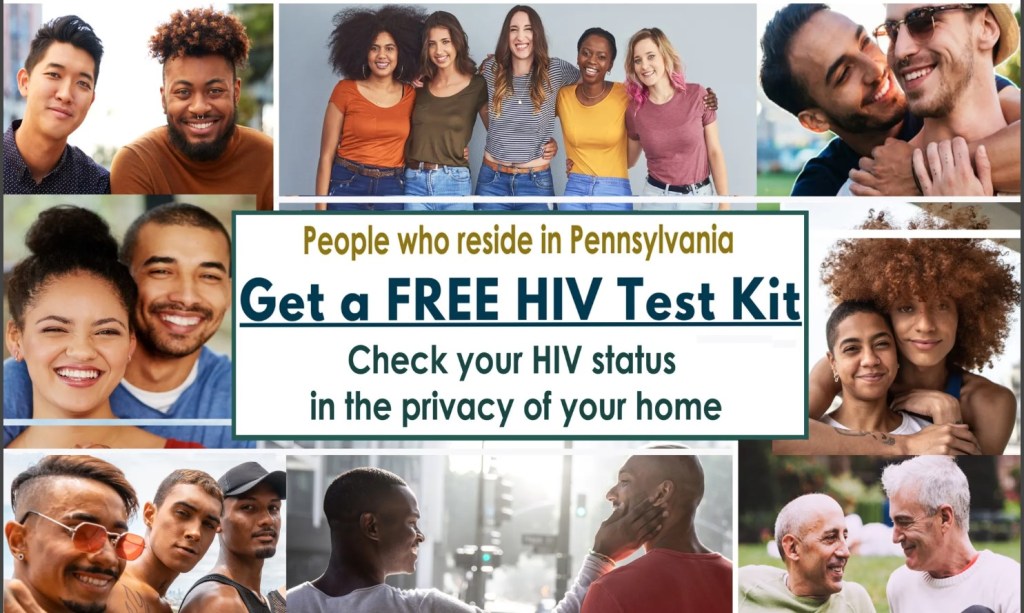
multiple people gathered together representing a variety of races and ethnicities

To help address the issue, the HIV Prevention and Care Project at the University of Pittsburgh, in partnership with the Pennsylvania Expanded HIV Testing Initiative at Penn State University created a state-wide program that allows residents of Pennsylvania to obtain a free HIV self-test kit through the mail.

Knowing your HIV status is the first step in preventing the spread of the virus. People who test positive can obtain treatment that keeps the virus in check, and therefore makes it next to impossible to spread to others.

To obtain a free HIV self-test kit, go to www.getmyHIVtest.com. Taking care of your health is part of taking care of your community.

To find out more about the free HIV test kit program, and find other HIV/STI testing resources, you can go to the HIV Prevention and Care Project Website at https://hivpreventionandcareproject.com/resources/. If you still have questions, send an email to info@getmyHIVtest.com.

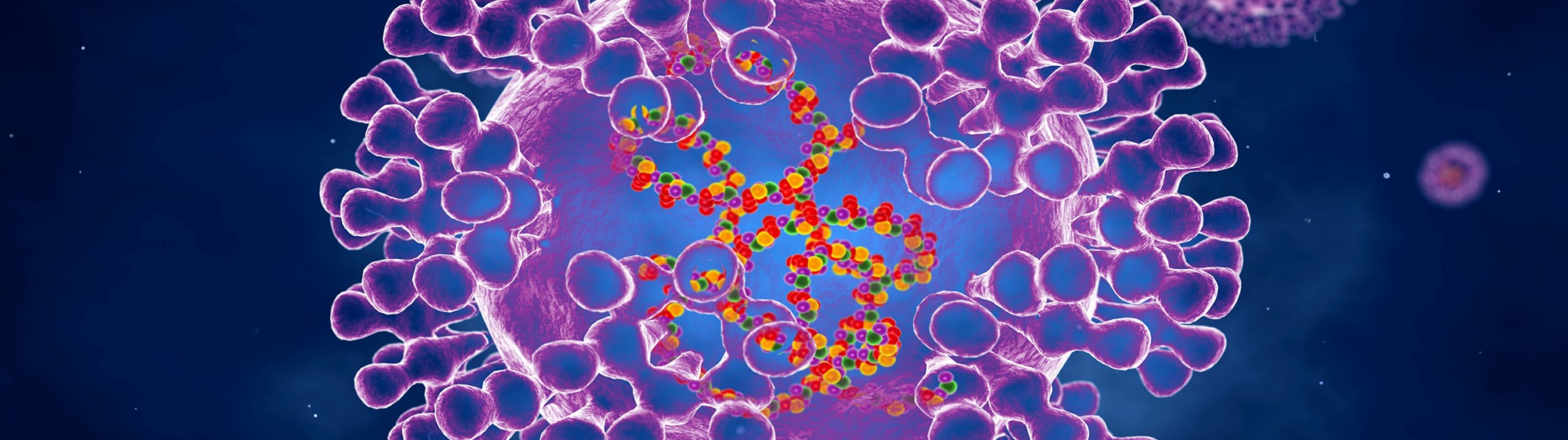
5 types of STI that show few or no symptoms

From healthshots.com…

There are numerous types of STIs that may or may not show symptoms. Infections with symptoms can be easily detected and cured. However, STIs without symptoms might be difficult to even diagnose, as these infections can potentially exist without exhibiting any symptoms at all.

Health Shots spoke to Dr Shalini Vijay, Senior Consultant Obstetrician and Gynaecologist, Motherhood Hospitals, Lullanagar to find out about the types of STIs that cause hardly any symptoms and are therefore hard to recognize.

Read the full article.

Health Alert – Cases of Monkeypox Reported in U.S. 

Cases of monkeypox have been identified in travelers from countries where the disease is considered an endemic. As a result, the Centers for Disease Control and Prevention (CDC) has issued a Health Advisory in the United States.  

As of June 3rd, 21 cases in the U.S. have been confirmed or suspected, including one case in Pennsylvania. As per the State Department of Health, there is a possibility the disease may spread.  

Monkeypox symptoms involve a characteristic rash, preceded by a fever, swelling of the lymph nodes, and other non-specific symptoms such as malaise, headache, and muscle aches. In the most recent reported cases, symptoms included lesions in the genital and anal regions. Note that the disease may be confused with more commonly seen infections like syphilis, chancroid, and herpes. The average incubation period for symptom to develop is 5 to 21 days.

Human-to-human transmission occurs through large respiratory droplets and by bodily fluids (like saliva and semen that can be transmission during sex) or coming in direct contact with a lesion. Respiratory droplets generally cannot travel more than a few feet, so prolonged face-to-face contact (like kissing) is more likely to spread the disease.  

There is no specific treatment for monkeypox virus infection. However, the CDC reports that antivirals used to treat smallpox may prove beneficial. Monkeypox is generally mild and patients recover in a few weeks. The mortality rate is less than 1 percent in developed countries. There have been no deaths related to the monkeypox cases in the US so far.

There are FDA approved vaccines available to prevent monkeypox but these are not commercially available but are being made available to close contacts of known cases.

If you think you may be infected, contact your doctor’s office or local hospital first, for instructions. Going into your doctor’s office, or an emergency room, risks spreading the disease.  

For more information about monkeypox, you can go to the CDC’s Health Advisory page. (https://wwwnc.cdc.gov/travel/notices/alert/monkeypox) 

May 19th is National Asian & Pacific Islander HIV/AIDS Awareness Day

From HIV.gov

May 19th is National Asian & Pacific Islander HIV/AIDS Awareness Day. This observance, led by the San Francisco Community Health Center, raises awareness of the impact of HIV and AIDS, risk, and stigma surrounding HIV in the Asian Pacific Islander (API) community.

In recent years, annual HIV diagnoses have increased among some in the API community, such as API young adults and men who have sex with men. Knowing your status gives you powerful information so that you can take steps to lower your HIV risk and take charge of your health. Use the HIV Testing Sites & Care Services Locator to find a clinic near you or select from the self-testing options available. In addition, the CDC Let’s Stop HIV Together campaign offers resources that promote testing and treatment for Asian Americans, Native Hawaiians, and other Pacific Islanders.

Read the full article on HIV.gov.

Note that anyone who resides in Pennsylvania can get a free HIV self-test kit from www.getmyHIVtest.comwww.getmyHIVtest.com. Knowing your status will protect you and your community.

Few Sexually Active Teens Getting Tested for Sexually Transmitted Diseases

From Everyday Health

Untreated sexually transmitted diseases (STDs) can have long-term health effects, including pelvic inflammatory disease, infertility, and cervical cancer, as well as an increased likelihood of contracting other STDs, including HIV. But in a study published April 11 in Pediatrics, only one in five sexually active high school students reported getting tested for STDs in the previous year.

Few teens getting tested for STIs, including HIV

“The prevalence of sexually active high school students getting tested for an STI in the past year is relatively low, despite national guidelines,” says a coauthor of the study, Nicole Liddon, PhD, a senior health scientist at the Centers for Disease Control and Prevention (CDC). These findings are important, as they provide the first national estimates of annual STI testing among a representative sample of U.S. high school students, she adds.

Read the full article.

April 10th is National Youth HIV & AIDS Awareness Day

From poz.com

Saturday, April 10, marks National Youth HIV & AIDS Awareness Day (NYHAAD) 2021. Traditionally, it’s a “day to educate the public about the impact of HIV and AIDS on young people,” according to the nonprofit Advocates for Youth, which spearheads NYHAAD.

The group adds, “The day also highlights the  HIV preventiontreatment and care campaigns of young people in the U.S.”

cheering latin and hispanic and african american and caucasian young adults

This year, the HIV awareness day also includes a call to action. Youth advocates want you to help them convince Congress to pass the REPEAL HIV Discrimination Act. “REPEAL” stands for: “Repeal Existing Policies that Encourage and Allow Legal” HIV Discrimination.

The REPEAL HIV Discrimination Act aims to modernize HIV crime laws, such as those that set harsh sentences for people with HIV who allegedly don’t disclose their status before sex—even if they’re undetectable and HIV was not transmitted. (To read a collection of POZ articles about such laws and efforts to change them, click #Criminalization.)

You can support Advocates for Youth’s call to action by filling out an online form that will generate a letter to send to members of Congress.

See the full article on POZ.

No breakthrough HIV infections seen in women using injectable PrEP

From aidsmap.com

The publication follows hard on the heels of detailed efficacy results from the randomized and open-label phases of its companion study in gay and bisexual men and trans women, HPTN 083, which were announced during last month’s Conference on Retroviruses and Opportunistic Infections.

A detailed analysis of HIV infections seen in HPTN 084, the study comparing the effectiveness of injectable versus oral HIV pre-exposure prophylaxis (PrEP) in cisgender women, has been published in the Journal of Infectious DiseasesHeadline findings were reported in November 2020 when the study was stopped early due to the clearly superior effectiveness of the injections.

The data shows that for cis women injected PrEP is more effective than oral PrEP, due to it being easier to adhere to, than the pills.

Read the full article on aidsmap.com.

HIV Self-Tests Reached High-Risk Populations

From medpagetoday.com

Direct-to-consumer HIV self-testing helped to reach underserved populations in areas at high risk for HIV infection, a researcher said.

In an ordering portal set up by the CDC, over 56,000 people placed an order for HIV self-tests, and according to a follow-up survey, about a quarter (26%) of those had never been tested for HIV, reported Pollyanna Chavez, PhD, of the CDC. […]

“We estimate about one in eight people with HIV do not know they have it,” Chavez said at a press conference at the virtual Conference on Retroviruses and Opportunistic Infections (CROI). “One of the goals of ending the HIV epidemic … is to diagnose people as early as possible [and] HIV self-testing is a key innovation being used in pursuit of this goal.”

Read the full article here. People who reside in Pennsylvania can still order a free test kit at www.getmyHIVtest.com. The kit comes in the mail, in an unmarked package.

Syphilis in newborns is a tragic consequence of the growing STD epidemic

From the Centers for Disease Control and Prevention

Early prenatal care and STD testing are essential with each pregnancy to safeguard mothers and their babies from the dangers of syphilis. CDC recommends syphilis testing for all pregnant women the first time they see a healthcare provider about their pregnancy. Women who are vulnerable for acquiring or who live in high-prevalence areas should be tested again early in the third trimester and at delivery.

“There are tools available to prevent every case of congenital syphilis,” said Gail Bolan, M.D., director of CDC’s Division of STD Prevention. “Testing is simple and can help women to protect their babies from syphilis – a preventable disease that can have irreversible consequences.”

The national rise in congenital syphilis parallels increases in syphilis among women of reproductive age. From 2017 to 2018, syphilis cases increased 36 percent among women of childbearing age. Addressing rising syphilis incidence is critical to prevent congenital syphilis. Women can protect themselves by practicing safer sex, being tested for syphilis by a health care provider, and if infected, seeking treatment immediately and asking her partner to get tested and treated to avoid reinfection.

Read the full article on the CDC website.

To find local syphilis testing (most clinics are free) go to https://gettested.cdc.gov/

Design a site like this with WordPress.com
Get started