Category Archives: Women’s health

Newborn syphilis cases spike in US amid gaps in maternal screening, treatment

From the University of Minnesota …

Syphilis infections passed from mothers to their newborns are at a 30-year high and have risen tenfold since 2012, and a fresh data analysis from the Centers for Disease Control and Prevention (CDC) suggests that lack of timely testing and adequate treatment are the two biggest drivers and played a role in 90% of cases in 2022.

pregnant woman makeing the sign of a heart with her hands over her belly

The CDC detailed its findings today in Morbidity and Mortality Weekly Report alongside a Vital Signs report designed to focus attention on the importance of identifying the infections, which can lead to miscarriages, stillbirths, and developmental disabilities.

Read the full article on the University of Minnesota website.

U.S. health officials endorse common antibiotic as ‘morning-after pill’ to combat sexually transmitted infections

From PBS.org

U.S. health officials plan to endorse a common antibiotic as a morning-after pill that gay and bisexual men can use to try to avoid some increasingly common sexually transmitted diseases.

man sittting with nurse in STI clinic

The proposed CDC guideline was released Monday, and officials will move to finalize it after a 45-day public comment period. With STD rates rising to record levels, “more tools are desperately needed,” said Dr. Jonathan Mermin of the Centers for Disease Control and Prevention.

The proposal comes after studies found some people who took the antibiotic doxycycline within three days of unprotected sex were far less likely to get chlamydia, syphilis or gonorrhea compared with people who did not take the pills after sex.

Read the full article on PBS.org.

6 Underlying Causes of the Maternal Health Crisis in the US

From Future of Personal Health

The United States, despite being one of the wealthiest nations in the world, is currently facing a maternal health crisis. According to a report by the Centers for Disease Control and Prevention (CDC), the maternal mortality rate in the U.S. has steadily increased over the past two decades, with Black and Indigenous women being disproportionately affected. The reasons for this crisis are well-documented, and it is important to understand every dimension of this crisis to address it effectively. […]

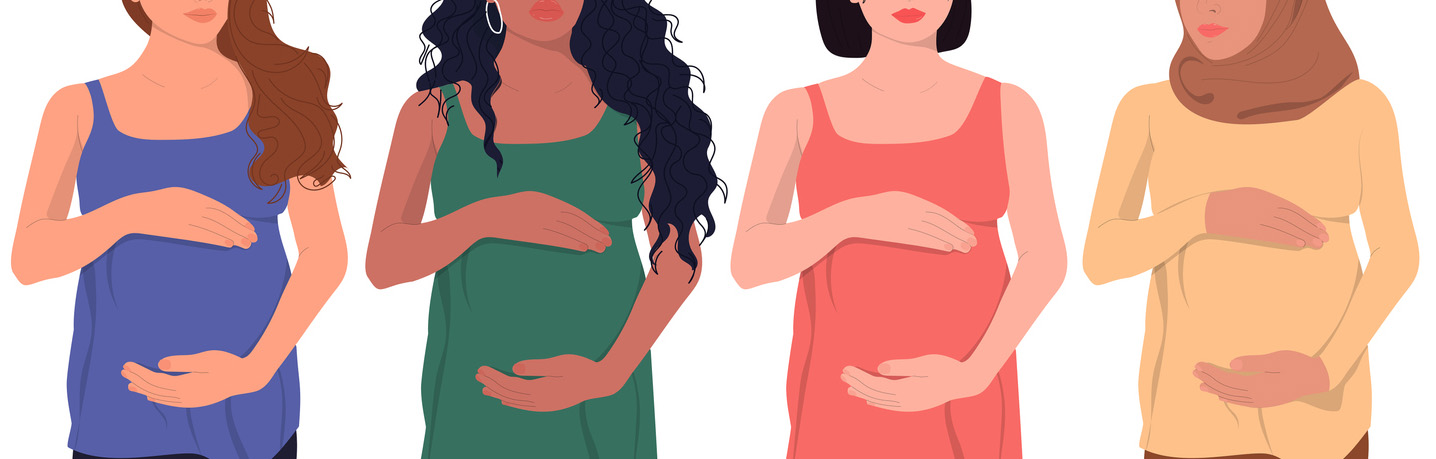
illustration of four women who are pregnant

Read about the 6 underlying causes in the full article on Future of Personal Health online.

Vagina Dialogue: MDs Push to Promote Female Sexual Wellness and Pleasure

From Medscape...

More than 4 in 10 premenopausal women worldwide experience sexual dysfunction, research shows. Yet nowhere near this number have access to or knowledge of specialists and solutions to navigate an issue that can be both physical and emotional. […]

artistic rendition of a woman's vagina

Rachel Rubin, MD, a board-certified urologist, sexual medicine expert, and educator in the field, is informally called the “clitorologist.” Rubin has advocated for further education around the vulva and clitoris and urges providers to routinely examine them.

In a recent New York Times article, she argues that the organ is “completely ignored by pretty much everyone,” which is devastating to women’s sexual health. On social media, she has found a receptive audience.

Rubin says she chooses “whatever raises my blood pressure” to discuss on Twitter or Instagram. After her first tweet, she recalls, “I realized nobody stops me. I got really loud. The more I tweeted, the more I learned, lifting other people up and educating through love and awareness and consistent content over and over again. It snowballs.”

Read the full article.

March 10th is National Women and Girls HIV/AIDS Awareness Day

March 10th is National Women and Girls HIV/AIDS Awareness Day. Knowing your status is the best way to protect your health…and residents of Pennsylvania can get a free in-home HIV test kit from our website www.getmyHIVtest.com. Tests come in the mail, in an unmarked package and you get the results in 20 minutes!

banner for H I V women and girls awareness days with images of women of various races and ages

From HIV.gov

The theme for NWGHAAD 2023 is: Prevention and Testing at Every Age. Care and Treatment at Every Stage. The Office Of Women’s Health (OWH) continues this theme to reemphasize the need to further prevention efforts and ensure equity in HIV care and treatment. It also reinforces the first 3 goals of the National HIV/AIDS Strategy (NHAS), that focus on the prevention of new HIV infections, improving HIV-related health outcomes of people living with HIV, and reducing HIV-related disparities. NWGHAAD focuses efforts on three of the target populations outlined in the NHAS; Black women, transgender women, and youth aged 13-24 years.

Find out more at HIV.gov.

Health Alert: PA Dept. of Health Urges Syphilis Testing Among Pregnant People as Newborn Infection Rates Soar

From WESA radio

According to the Pennsylvania Department of Health, 36 cases of congenital syphilis have been reported so far in 2022; two-thirds of those cases were found in Philadelphia.

The total number is six times greater than that reported statewide between 2013 to 2017 and coincides with a rise in newborn syphilis rates over the last decade. Earlier this year, the Centers for Disease Control and Prevention found that between 2011 and 2020 the statewide syphilis rate for newborns rose from 3.3 cases per 100,000 live births to 10.4 cases.

“This is a condition that is alarming, that can cause miscarriages and fetal death, or lifelong issues for the child and is completely preventable,” said Pennsylvania Physician General Denise Johnson.

Read the full story on WESA.

Sexually transmitted infections higher among women with disabilities

In a study entitled “Sexually Transmitted Infections in Women of Reproductive Age by Disability Type,” researchers analyzed data from the 2015 to 2019 National Survey on Drug Use and Health and found that the incidents of sexually transmitted infections (STIs) was more than twice as high for women of reproductive age who have cognitive disabilities, as compared to those without disabilities. The data analysis also showed that women with sensory disabilities also had higher rates of STIs.

A J P M logo

The report, published in the American Journal of Preventive Medicine (AJPM), also found “the odds of sexually transmitted infections varied by race/ethnicity, sexual orientation, and substance use.”

Find out more on the AJPM website.

Syphilis in newborns is a tragic consequence of the growing STD epidemic

From the Centers for Disease Control and Prevention

Early prenatal care and STD testing are essential with each pregnancy to safeguard mothers and their babies from the dangers of syphilis. CDC recommends syphilis testing for all pregnant women the first time they see a healthcare provider about their pregnancy. Women who are vulnerable for acquiring or who live in high-prevalence areas should be tested again early in the third trimester and at delivery.

“There are tools available to prevent every case of congenital syphilis,” said Gail Bolan, M.D., director of CDC’s Division of STD Prevention. “Testing is simple and can help women to protect their babies from syphilis – a preventable disease that can have irreversible consequences.”

The national rise in congenital syphilis parallels increases in syphilis among women of reproductive age. From 2017 to 2018, syphilis cases increased 36 percent among women of childbearing age. Addressing rising syphilis incidence is critical to prevent congenital syphilis. Women can protect themselves by practicing safer sex, being tested for syphilis by a health care provider, and if infected, seeking treatment immediately and asking her partner to get tested and treated to avoid reinfection.

Read the full article on the CDC website.

To find local syphilis testing (most clinics are free) go to https://gettested.cdc.gov/

Penn State and Pitt team up to create getmyHIVtest.com—free HIV test kits to anyone who resides in Pennsylvania, with a focus on minority/ethnic communities most at risk.

The Centers for Disease Control and Prevention (CDC) reports that some racial/ethnic groups are at higher risk for getting HIV than others.  

CDC data shows that Black/African American communities account for a higher proportion of new HIV infections as compared to other races and ethnicities. In 2018, Black/African Americans accounted for 13% of the US population but 42% of new HIV diagnoses.

Similarly, in the same 2018 report, the CDC notes adult and adolescent Hispanics/Latinos made up 27% of the 37,968 new HIV diagnoses in the United States.

Why? Because these communities are impacted by demographic factors such as discrimination, stigma, and institutionalized health disparities—all of which affect their risk for HIV.

So what can we do?  

People who know they’re infected can get into treatment and become HIV undetectable—which means the level of virus in the body is so low that it can’t be passed on to a sex partner. And people who know they’re not infected can take steps to prevent future infection by practicing safer sex (like using condoms) and taking the HIV prevention medication known as PrEP.

The first step, then, to preventing HIV is to get tested.

The good news is that anyone who resides in Pennsylvania can now get a free HIV self-test kit delivered in the mail.

In early 2021, the Pennsylvania Expanded HIV Testing Initiative (at Penn State University) and the HIV Prevention and Care Project (at the University of Pittsburgh) began a joint program called getmyHIVtest.com.

“We created getmyHIVtest.com to make test kits available to anyone in the state who might be at risk for HIV,” explains Raymond Yeo, one of the project’s coordinators at the University of Pittsburgh. “Knowing your HIV status is key in the preventing HIV in our communities—especially those most at risk for new infections.” 

The website, www.getmyHIVtest.com, provides easy-to-follow instructions and online form where PA residents can order their free kit, which typically arrives—in an unmarked package—within five to ten business days. Recipients of the kit are asked to provide basic demographic information and to take a follow up survey as a means to improve the program in the months ahead.  

“This is a big development in the fight against HIV in Pennsylvania and we need all the input we can get,” added Yeo. “It’s unrealistic to think we can test everyone in the state so it’s important that we find ways to get our test kits into the hands of the people who need them the most.”  

Questions and comments about the getmyHIVtest.com program can be sent to info@getmyHIVtest.com. To order your HIV self-test kit, go to www.getmyHIVtest.com.


NEW CDC DATA SHOW NUMBER OF BABIES BORN WITH SYPHILIS NEARLY QUADRUPLED IN THE LAST 5 YEARS

From the National Coalition of STD Directors

CDC released its 2019 STD Surveillance Report showing that STD rates in the U.S. reached all-time highs for the sixth consecutive year. Even more concerning, the report found that a growing number of babies in the U.S. are dying as a result of syphilis passed from mother to child during pregnancy (congenital syphilis) – all because women are not receiving simple, CDC-recommended testing and treatment.

Congenital syphilis is entirely preventable, but according to CDC’s report, cases of congenital syphilis nearly quadrupled between 2015 and 2019. In 2019: 

• More than three-fourths (77%) of all cases were due to gaps in testing and treatment during the mother’s prenatal care – either when a mother was tested and diagnosed with syphilis but did not receive treatment, or when the mother did not receive a timely syphilis diagnosis during her pregnancy. 

• Nearly two-thirds (65%) of all babies born with congenital syphilis were Black or Hispanic, highlighting the stark disparities in testing and treatment.

This is entirely unacceptable given the dire ramifications of congenital syphilis. As we observe Black Maternal Health Week, we are calling for action to address this crisis and its disparate impact. Forty percent of babies born to women with untreated syphilis may be stillborn or die from infection as a newborn. Those that survive can suffer severe, life-long health consequences, including deformed bones, blindness, or deafness.

“Every single case of syphilis in a newborn baby is a heartbreaking symptom of our nation’s chronically underfunded public health system,” said NCSD Executive Director David Harvey. “Congenital syphilis is 100% preventable, and the failure to protect newborns from this disease reflects our failure to invest in public health and to care for our most vulnerable members of society. We can and must do better.”

Read the full CDC press release.