Category Archives: Health Alerts

Newborn syphilis cases spike in US amid gaps in maternal screening, treatment

From the University of Minnesota …

Syphilis infections passed from mothers to their newborns are at a 30-year high and have risen tenfold since 2012, and a fresh data analysis from the Centers for Disease Control and Prevention (CDC) suggests that lack of timely testing and adequate treatment are the two biggest drivers and played a role in 90% of cases in 2022.

pregnant woman makeing the sign of a heart with her hands over her belly

The CDC detailed its findings today in Morbidity and Mortality Weekly Report alongside a Vital Signs report designed to focus attention on the importance of identifying the infections, which can lead to miscarriages, stillbirths, and developmental disabilities.

Read the full article on the University of Minnesota website.

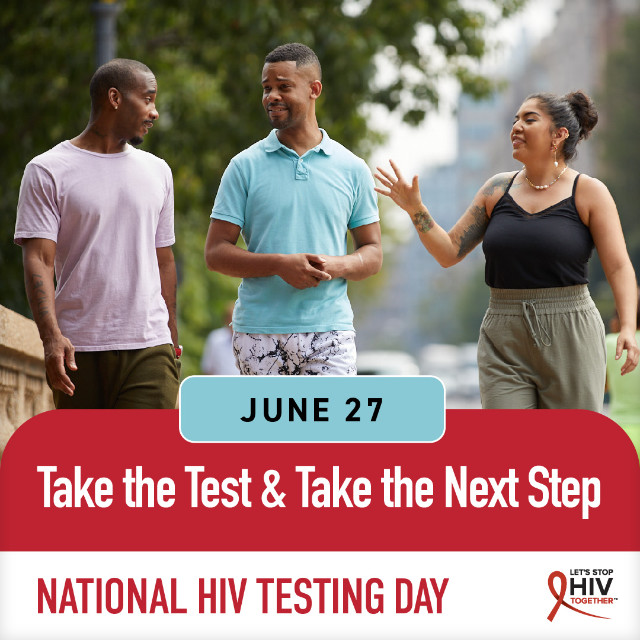
National HIV testing day is June 27th

National HIV Testing Day (NHTD) is observed each year on June 27 to highlight the importance of HIV testing. This year, we’re going beyond the test to emphasize the steps everyone can take once they know their HIV status. The NHTD theme for 2023 is “Take the Test & Take the Next Step.” This theme emphasizes that knowing your HIV status helps you choose options to stay healthy.

HIV testing, including self-testing, is the pathway to engaging people in care to keep them healthy, regardless of their test result. People who receive a negative test result can take advantage of HIV prevention tools such as pre-exposure prophylaxis (PrEP), condoms, and other sexual health services such as vaccines and testing for sexually transmitted infections. People who receive a positive test result can rapidly start HIV treatment (antiretroviral therapy, or ART) to stay healthy.

Read more at CDC.gov.

And, as always, anyone who resides in Pennsylvania can get a free HIV self-test kit delivered through the mail. Go to www.getmyHIVtest.com to order today!

March 10th is National Women and Girls HIV/AIDS Awareness Day

March 10th is National Women and Girls HIV/AIDS Awareness Day. Knowing your status is the best way to protect your health…and residents of Pennsylvania can get a free in-home HIV test kit from our website www.getmyHIVtest.com. Tests come in the mail, in an unmarked package and you get the results in 20 minutes!

banner for H I V women and girls awareness days with images of women of various races and ages

From HIV.gov

The theme for NWGHAAD 2023 is: Prevention and Testing at Every Age. Care and Treatment at Every Stage. The Office Of Women’s Health (OWH) continues this theme to reemphasize the need to further prevention efforts and ensure equity in HIV care and treatment. It also reinforces the first 3 goals of the National HIV/AIDS Strategy (NHAS), that focus on the prevention of new HIV infections, improving HIV-related health outcomes of people living with HIV, and reducing HIV-related disparities. NWGHAAD focuses efforts on three of the target populations outlined in the NHAS; Black women, transgender women, and youth aged 13-24 years.

Find out more at HIV.gov.

Health Alert: PA Dept. of Health Urges Syphilis Testing Among Pregnant People as Newborn Infection Rates Soar

From WESA radio

According to the Pennsylvania Department of Health, 36 cases of congenital syphilis have been reported so far in 2022; two-thirds of those cases were found in Philadelphia.

The total number is six times greater than that reported statewide between 2013 to 2017 and coincides with a rise in newborn syphilis rates over the last decade. Earlier this year, the Centers for Disease Control and Prevention found that between 2011 and 2020 the statewide syphilis rate for newborns rose from 3.3 cases per 100,000 live births to 10.4 cases.

“This is a condition that is alarming, that can cause miscarriages and fetal death, or lifelong issues for the child and is completely preventable,” said Pennsylvania Physician General Denise Johnson.

Read the full story on WESA.

Sexual Health Experts Say STDs Are ‘Out of Control’

From Prevention.com

After being cooped up at home for a year-plus due to the pandemic, people’s ability to live at least semi-freely again has contributed to a spike in sexually transmitted diseases (STDs) that were already on the rise, sexual health experts say. On Monday, at a medical conference on STDs, David Harvey, executive director of the National Coalition of STD Directors, called the spike “out of control,” according to the Associated Press.

Experts said a rise in syphilis is particularly concerning, as a 26% increase was reported last year with a total of 171,074 cases, according to preliminary data from the Centers for Disease Control and Prevention (CDC). For context, a total of 101,590 were reported in 2017. Cases of congenital syphilis, which occurs in babies delivered by people with the disease, were up to nearly 2,700 last year compared to 941 in 2017.

Read the full article.

To find local testing clinics go to https://gettested.cdc.gov/. Most are free!

_____

To find testing clinics near you (most are free) go to: gettested.cdc.gov.

Young people living with HIV face higher suicide risk

From poz.com

Adolescents and young adults who acquired HIV at birth are more likely to attempt suicide than their HIV-negative peers, according to the first study dedicated to evaluating suicide risk among youth living with HIV. Those facing stigma and other hardships in life are even more likely to try to take their lives, researchers reported last week at the 24th International AIDS Conference (AIDS 2022) in Montreal.

The unique circumstances for young people with HIV are part of a larger problem of youth suicide, which has ballooned in recent decades. Suicide is now the second most common killer of adolescents and young adults, claiming the lives of more than one in 10,000 each year.

Though suicide can affect anyone, certain experiences can heighten the risk. Among young people living with HIV, feeling stigma about their status can be associated with suicide attempts. Other hardships, like dealing with mental illness, pregnancy, a history of arrest, city stress and other negative life experiences are also associated with higher rates of suicide attempts in this group.

Read the full article on poz.com.

Health Alert – Cases of Monkeypox Reported in U.S. 

Cases of monkeypox have been identified in travelers from countries where the disease is considered an endemic. As a result, the Centers for Disease Control and Prevention (CDC) has issued a Health Advisory in the United States.  

As of June 3rd, 21 cases in the U.S. have been confirmed or suspected, including one case in Pennsylvania. As per the State Department of Health, there is a possibility the disease may spread.  

Monkeypox symptoms involve a characteristic rash, preceded by a fever, swelling of the lymph nodes, and other non-specific symptoms such as malaise, headache, and muscle aches. In the most recent reported cases, symptoms included lesions in the genital and anal regions. Note that the disease may be confused with more commonly seen infections like syphilis, chancroid, and herpes. The average incubation period for symptom to develop is 5 to 21 days.

Human-to-human transmission occurs through large respiratory droplets and by bodily fluids (like saliva and semen that can be transmission during sex) or coming in direct contact with a lesion. Respiratory droplets generally cannot travel more than a few feet, so prolonged face-to-face contact (like kissing) is more likely to spread the disease.  
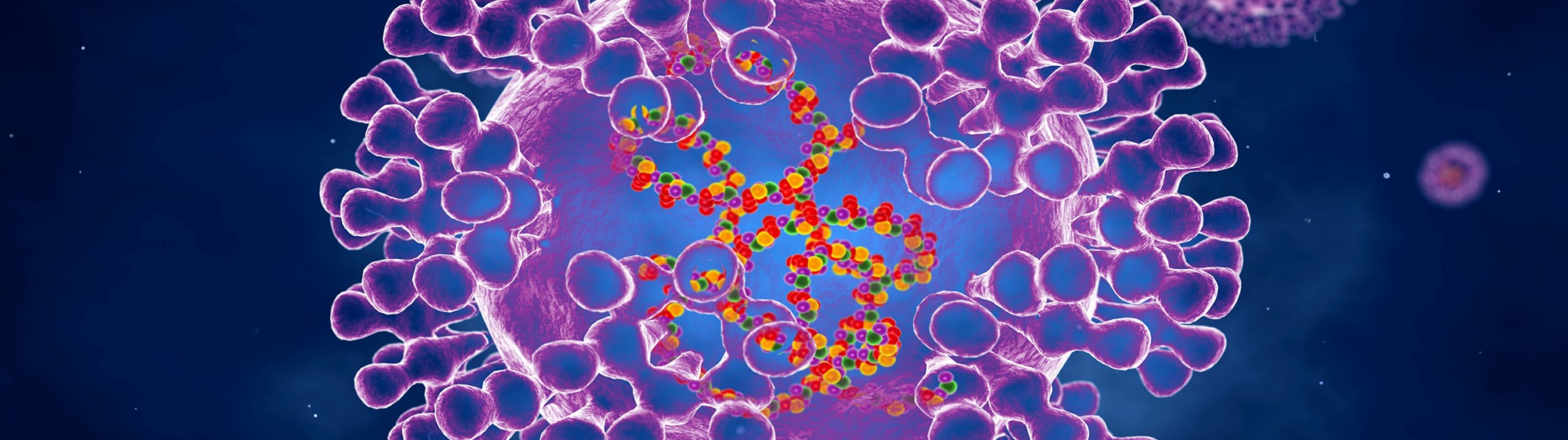
There is no specific treatment for monkeypox virus infection. However, the CDC reports that antivirals used to treat smallpox may prove beneficial. Monkeypox is generally mild and patients recover in a few weeks. The mortality rate is less than 1 percent in developed countries. There have been no deaths related to the monkeypox cases in the US so far.

There are FDA approved vaccines available to prevent monkeypox but these are not commercially available but are being made available to close contacts of known cases.

If you think you may be infected, contact your doctor’s office or local hospital first, for instructions. Going into your doctor’s office, or an emergency room, risks spreading the disease.  

For more information about monkeypox, you can go to the CDC’s Health Advisory page. (https://wwwnc.cdc.gov/travel/notices/alert/monkeypox) 

May 19th is National Asian & Pacific Islander HIV/AIDS Awareness Day

From HIV.gov

May 19th is National Asian & Pacific Islander HIV/AIDS Awareness Day. This observance, led by the San Francisco Community Health Center, raises awareness of the impact of HIV and AIDS, risk, and stigma surrounding HIV in the Asian Pacific Islander (API) community.

In recent years, annual HIV diagnoses have increased among some in the API community, such as API young adults and men who have sex with men. Knowing your status gives you powerful information so that you can take steps to lower your HIV risk and take charge of your health. Use the HIV Testing Sites & Care Services Locator to find a clinic near you or select from the self-testing options available. In addition, the CDC Let’s Stop HIV Together campaign offers resources that promote testing and treatment for Asian Americans, Native Hawaiians, and other Pacific Islanders.

Read the full article on HIV.gov.

Note that anyone who resides in Pennsylvania can get a free HIV self-test kit from www.getmyHIVtest.comwww.getmyHIVtest.com. Knowing your status will protect you and your community.

New syphilis infections at an all-time high in Pennsylvania

From outbreaknewstoday.com

Pennsylvania state health officials are reporting increased amounts of sexually transmitted infections, in particular syphilis, prompting officials to encourage the public to take steps to decrease their risk.

decretive image

Pregnant women should be screened at first and third trimester because of the sharp increase in the number of babies born with the disease in the United States. Nationally, cases of congenital syphilis increased by 185 percent between 2014 and 2018. In 2019, five congenital syphilis cases were reported in the state of Pennsylvania, following seven cases reported in 2018. These reported cases of congenital syphilis in the state represented the highest number of cases in more than 25 years.Early syphilis in Pennsylvania is currently at the highest rate in more than 20 years. Over the last five years, early syphilis reported in women of child-bearing age (women aged 15 to 44) increased 114 percent, from 78 cases in 2015 to 167 cases in 2019.

“Sexually transmitted diseases are serious diseases that impact many Pennsylvanians each year,” Acting Secretary Beam said. “It is essential that all residents are aware of the risks and dangers associated with STDs. Many of these diseases can be easily diagnosed and treated, which is why we encourage all residents to talk to their doctor about getting tested so we can further prevent diseases and keep our residents healthy.”

Read the full article.

To find local testing in your area, you can search by zip code at https://gettested.cdc.gov/. Most testing locations are free.

Get a free HIV self-test kit delivered to your home

The Pennsylvania Department of Health, in partnership with the Pennsylvania Expanded HIV Testing Initiative (PEHTI) and the HIV Prevention and Care Project (HPCP), has introduced HIV Self-Testing (HST) for individuals who reside in Pennsylvania (excluding Philadelphia County). The goal of the getmyHIVtest.com program is to help people get tested who wouldn’t otherwise go to their doctor or to a testing clinic.  

Tests are available from the website getmyhivtest.com. Individuals are asked to read the information on the website and answer a few questions in order to receive an FDA-approved, OraQuick home HIV test kit mailed to their provided address. Support for clients who request and administer the HIV self-test is available through OraQuick and the HPCP, as noted on the website.   

Individuals who reside in Philadelphia County should visit PhillyKeepOnLoving.com to order the HIV Self-test kit and for additional information about testing from the Philadelphia Department of Public Health.   

If you have any questions, please send an email to info@getmyHIVtest.com.