Young people living with HIV face higher suicide risk

From poz.com

Adolescents and young adults who acquired HIV at birth are more likely to attempt suicide than their HIV-negative peers, according to the first study dedicated to evaluating suicide risk among youth living with HIV. Those facing stigma and other hardships in life are even more likely to try to take their lives, researchers reported last week at the 24th International AIDS Conference (AIDS 2022) in Montreal.

The unique circumstances for young people with HIV are part of a larger problem of youth suicide, which has ballooned in recent decades. Suicide is now the second most common killer of adolescents and young adults, claiming the lives of more than one in 10,000 each year.

Though suicide can affect anyone, certain experiences can heighten the risk. Among young people living with HIV, feeling stigma about their status can be associated with suicide attempts. Other hardships, like dealing with mental illness, pregnancy, a history of arrest, city stress and other negative life experiences are also associated with higher rates of suicide attempts in this group.

Read the full article on poz.com.

PA Universities provide free HIV self-test kits to communities most at risk

According to a 2020 CDC report, out of more than 30,000 new cases of HIV infection in the United States, Black and Latinx populations bear the brunt of being most at risk, accounting for two-thirds (20,000) of the new infections. The reason (the CDC also reports) is due to institutionalized health disparities among those groups. In other words, Black and Latinx people face higher levels of discrimination when seeking health care.

multiple people gathered together representing a variety of races and ethnicities

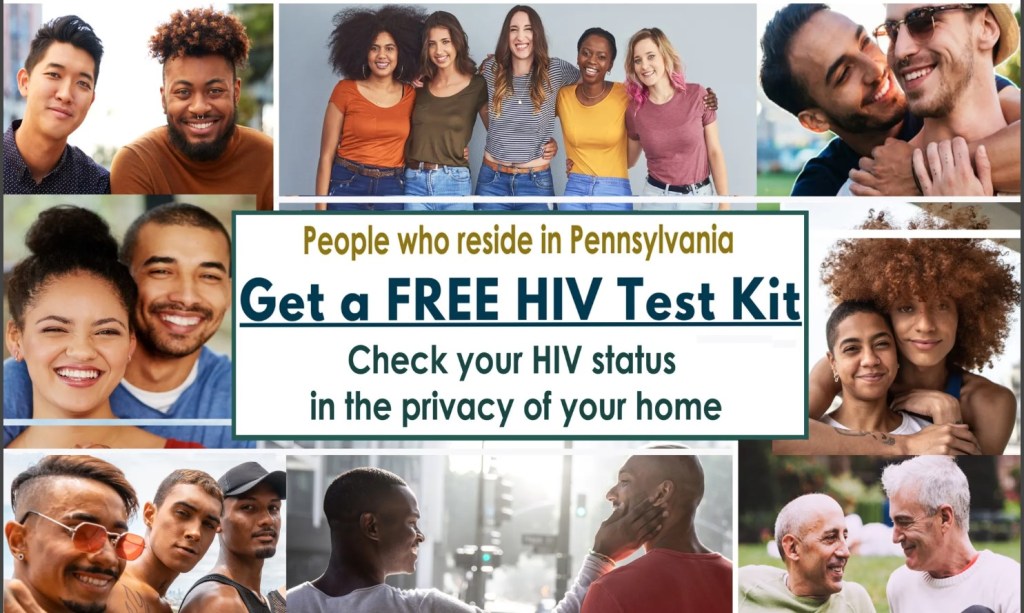
To help address the issue, the HIV Prevention and Care Project at the University of Pittsburgh, in partnership with the Pennsylvania Expanded HIV Testing Initiative at Penn State University created a state-wide program that allows residents of Pennsylvania to obtain a free HIV self-test kit through the mail.

Knowing your HIV status is the first step in preventing the spread of the virus. People who test positive can obtain treatment that keeps the virus in check, and therefore makes it next to impossible to spread to others.

To obtain a free HIV self-test kit, go to www.getmyHIVtest.com. Taking care of your health is part of taking care of your community.

To find out more about the free HIV test kit program, and find other HIV/STI testing resources, you can go to the HIV Prevention and Care Project Website at https://hivpreventionandcareproject.com/resources/. If you still have questions, send an email to info@getmyHIVtest.com.

5 types of STI that show few or no symptoms

From healthshots.com…

There are numerous types of STIs that may or may not show symptoms. Infections with symptoms can be easily detected and cured. However, STIs without symptoms might be difficult to even diagnose, as these infections can potentially exist without exhibiting any symptoms at all.

Health Shots spoke to Dr Shalini Vijay, Senior Consultant Obstetrician and Gynaecologist, Motherhood Hospitals, Lullanagar to find out about the types of STIs that cause hardly any symptoms and are therefore hard to recognize.

Read the full article.